Table of Contents
Introduction:
Obesity is considered a common risk factor for the causation of various medical conditions in the human body. When comorbidities set in, people try to lose weight to manage them and prevent unforeseen complications. Weight loss drugs are a major part of this process. While weight loss drugs are effective options, it is necessary to understand their impact on the underlying comorbidities as well.
Weight Loss Drugs and Medical Conditions
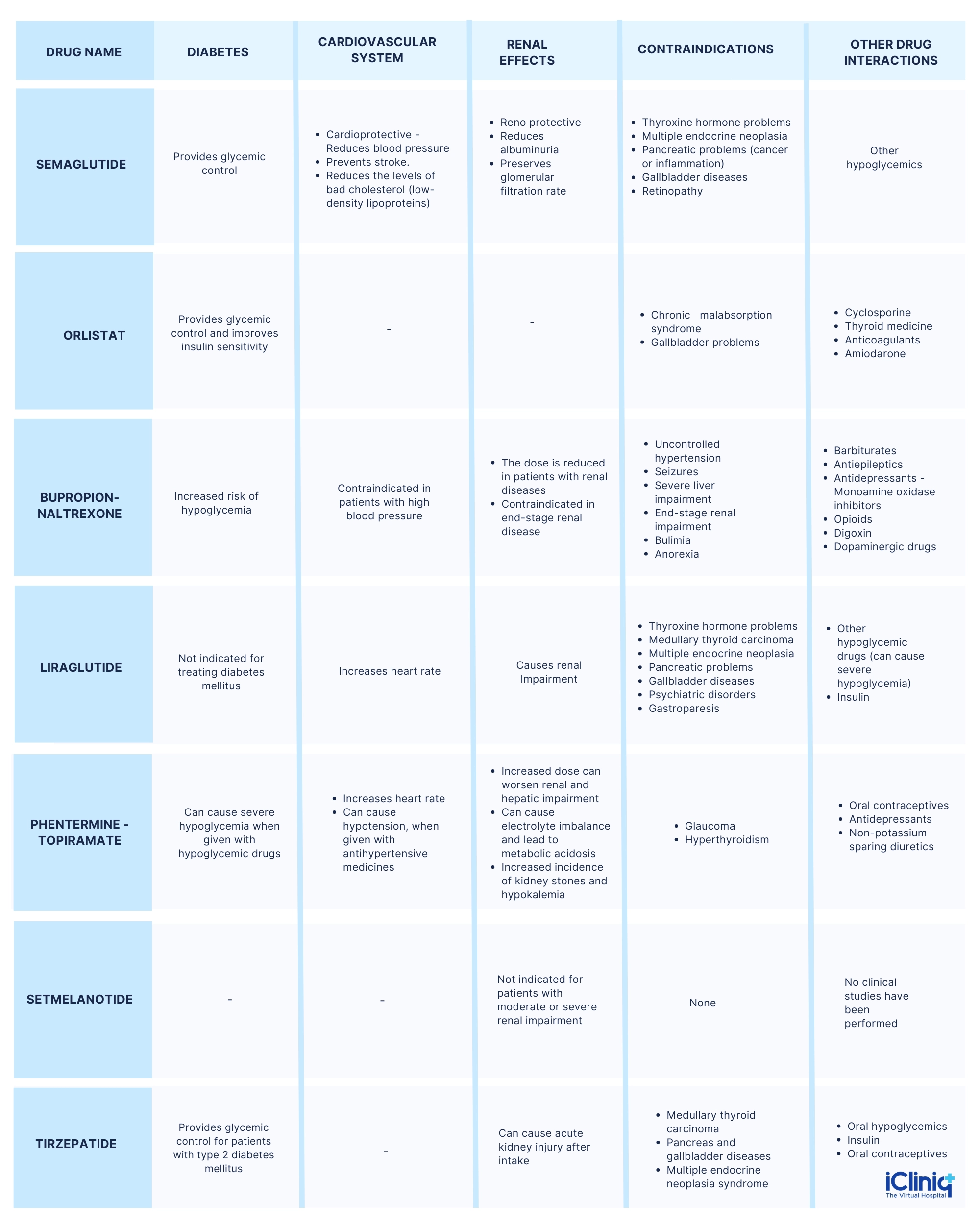
In the journey of losing weight, people tend to choose medications to aid in the process. While choosing such weight loss pills, one needs to be very careful as these medicines can have a great impact on the physiological actions in the body, especially in people who have pre-existing medical conditions. Some medicines used in the weight loss process can help regulate medical conditions like diabetes mellitus, while others can interfere with the glucose metabolism process. Potential side effects of weight loss drugs (WLD) are crucial to consider, as they can significantly impact overall health. This table summarizes the effects of weight loss drugs on the most common comorbidities seen in humans.
Weight Loss Drugs and Pregnancy
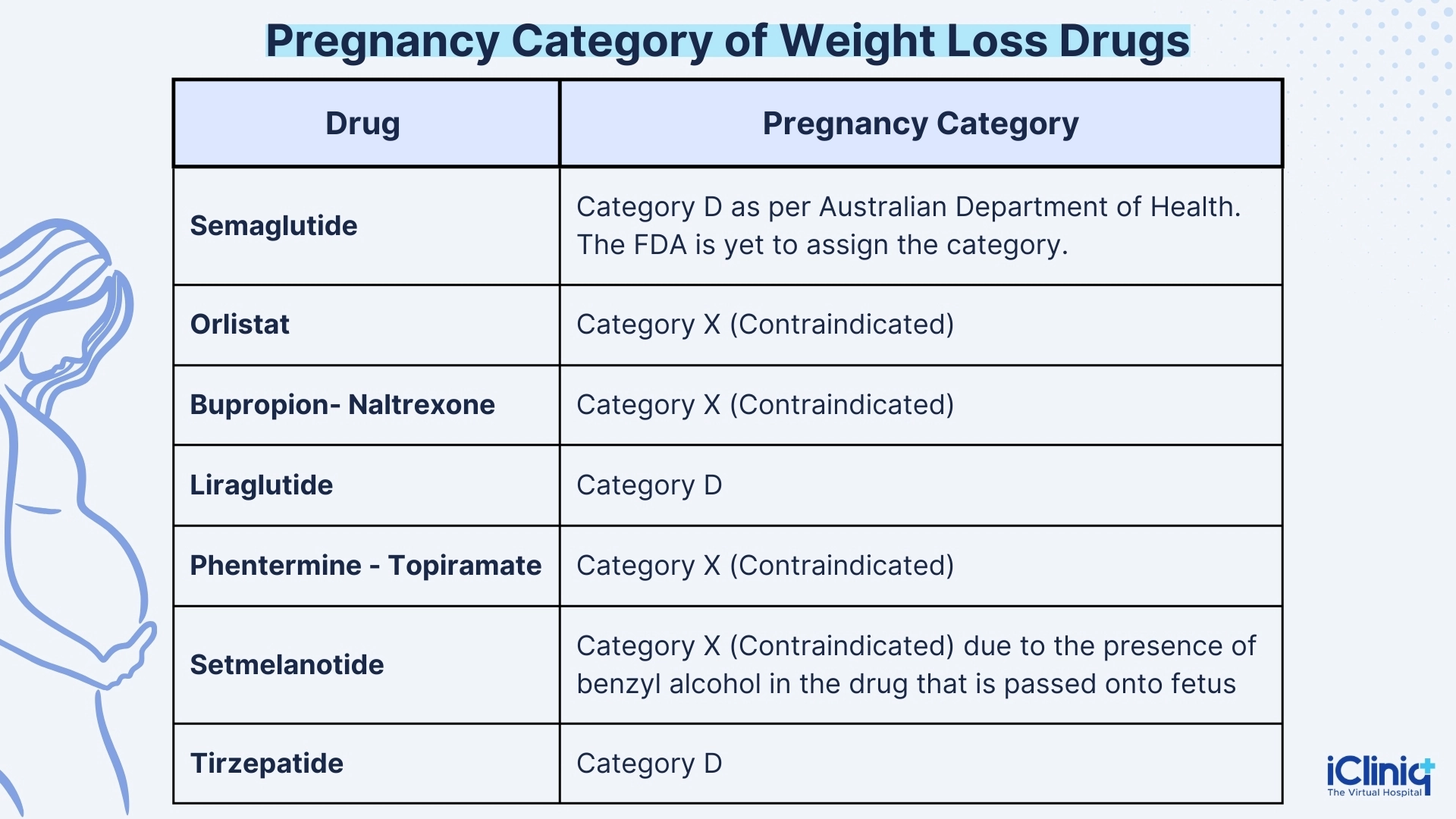
Pregnancy is a beautiful period in a woman’s life; there is no need to stress about reducing weight. The United States Food and Drug Administration completely prohibits the use of any of the weight loss drugs during pregnancy. This is because there can be significant harm to the growing fetus.
There is a considerable risk of birth defects and developmental abnormalities after taking these drugs. Maternal risks of abnormal hemorrhage and heart rate are also seen after taking weight loss drugs.
The pregnancy category of various weight loss drugs is mentioned below:
So, generally, weight loss drugs are discontinued at least two months before conception. People who are planning to get conceived should inform their doctor so that the weight loss pills will be stopped prior to conception.
Weight Loss Drugs and Lactation
The period immediately following childbirth should be focused entirely on providing the baby with proper nutrition, with the primary goal being the health of both mother and child. Weight loss drugs are not recommended during lactation, as some drug metabolites can be transmitted through breast milk, potentially harming the infant. For instance, substances like salcaprozate sodium, which are added to enhance the oral absorption of weight loss medications, can pass directly to the baby through breast milk, thus exposing the babies to significant risks. Also, the excretion of most weight loss drugs through breast milk has not been extensively studied.
Aiming for rapid weight loss in the lactation period with the help of weight loss medicines can have other deleterious effects as well. Studies show that rapid weight loss during breastfeeding can release persistent organic pollutants (POPs) stored in body fat into the bloodstream and breast milk. These environmental toxins can then be transferred to the infant, thus harming their developing immune, nervous, and endocrine systems. To protect the baby, gradual and healthy weight loss is essential for breastfeeding mothers.
Weight Loss Drugs and Postpartum Weight Gain
Sneaky weight gain during and after pregnancy is common. To reduce postpartum weight gain, weight loss drugs are prescribed only when the mother stops breastfeeding. Until then, physical activity and high-calorie food restrictions are the only helpful options.
While it is natural for new mothers to want to lose pregnancy weight, the focus should be on gradual, sustainable weight loss that prioritizes overall health and well-being. Crash dieting or rapid weight loss strategies may not be suitable, especially during the postpartum period when the body is still recovering from childbirth and hormonal fluctuations.
Doctors prescribe weight loss drugs for postpartum weight gain after considering factors like the health of the mother and baby and the nutritional status. Semaglutide is deemed to be a safe drug for postpartum weight gain. However, depending on an individual's hormonal and nutritional status, a medical professional will prescribe weight-loss drugs accordingly.
Weight Loss Drugs and Oral Contraceptives
Some weight loss drugs may affect the absorption, metabolism, or efficacy of oral contraceptives. For example, certain weight loss medications, such as Orlistat or Tirzepatide, can reduce the absorption of fat-soluble vitamins and medications, including oral contraceptives. This could potentially reduce the effectiveness of oral contraceptives if taken simultaneously. So, people are generally advised to switch to other modes of contraception, like physical barriers or physiological methods (coitus interruptus).
Conclusion:
Weight loss drugs can work magic in people who are overweight or obese. However, essential considerations must be carefully assessed, as their impact on other bodily systems and existing comorbidities must be evaluated before starting treatment. The focus should be on achieving gradual and healthy weight loss rather than seeking rapid results.