Introduction
Psoriasis is a chronic genetically influenced immunologically based inflammatory disease of the skin and joints. Most patients can be treated with drugs for psoriasis, such as topical coal tar, Dithranol, and corticosteroids. However, psoriasis tends to recur and may become worse. Moderate to severe psoriasis, defined as involving 20 % or more of the body surface area or when the patient is unresponsive to topical therapy, is termed difficult psoriasis.
How to Assess Psoriasis Patients?
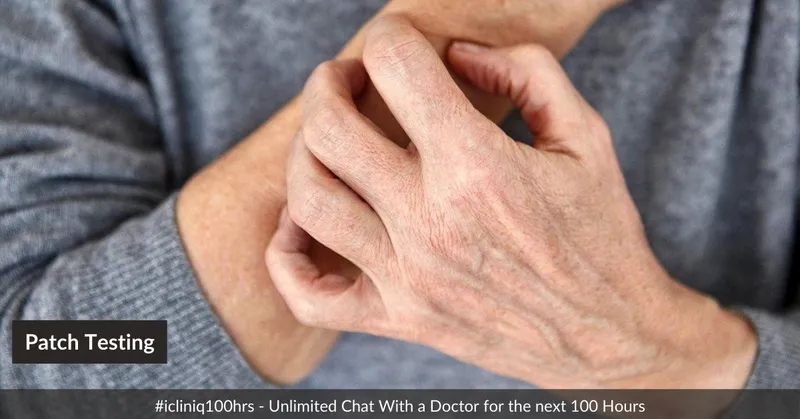
A patient with psoriasis should be approached with an open and sympathetic attitude. In order to understand the patient's condition and what aggravates it, the overall assessment should be made of the patient's perception and expectations, lifestyle, other diseases, and medications. Also, previous treatments and their effectiveness, side effects, and the impact of psoriasis on hands, face, and other affected areas should be assessed. For example, pictures of psoriasis on the hands or psoriasis on the face could be used to assess the condition visually during the evaluation.
What Are the Differential Diagnoses of Psoriasis?
Psoriasis can be defined as a chronic inflammatory skin condition that often requires differentiation from other dermatologic disorders due to its similar presentation. Differential diagnoses include:
-
Eczema (Atopic Dermatitis): Unlike psoriasis, eczema is more pruritic and has a history of atopy. It also tends to affect flexural areas rather than the extensor surfaces commonly seen in psoriasis. Psoriasis medications like topical corticosteroids or calcineurin inhibitors may be used to treat both conditions but may not be effective in eczema flare-ups.
-
Seborrheic Dermatitis: This condition shares features with psoriasis, such as erythema and scaling, but is generally found in areas rich in sebaceous glands, such as the scalp, face, and chest. The scales in seborrheic dermatitis are greasy, unlike the dry scales in psoriasis. Psoriasis medications like topical antifungals may be helpful here if fungal involvement is suspected.
-
Tinea Corporis (Ringworm): A fungal infection that presents with annular, scaly patches. It can be confused with psoriasis, especially if the border is poorly defined, but KOH preparation or fungal culture can confirm the diagnosis. Antifungal treatments are the primary medications for tinea corporis, differing from psoriasis therapies like biologics or topical corticosteroids.
-
Lichen Planus: Characterized by pruritic, purple, and polygonal papules. Unlike psoriasis, lichen planus typically involves mucosal surfaces and presents with fine white striations (Wickham's striae). Corticosteroids and retinoids are common treatments for both conditions.
-
Contact Dermatitis: An inflammatory skin reaction due to allergens or irritants. It can mimic psoriasis, but it is usually more localized and has a clear exposure history. Treatment typically involves topical corticosteroids, similar to psoriasis medications, but avoidance of triggers is key.
-
Pityriasis Rosea: It initially presents with a herald patch, followed by a Christmas tree pattern of lesions, which is distinct from psoriasis. Psoriasis medications like topical steroids may be used in cases of misdiagnosis but are generally less effective in treating pityriasis rosea.
These conditions are differentiated through clinical examination, patient history, and sometimes skin biopsy or laboratory tests.
What Are the Factors Causing Exacerbation of Psoriasis?
Stress, alcohol, smoking, trauma, sun exposure, oral corticosteroids, beta-blockers, lithium, drugs used to treat malaria, and painkillers can exacerbate psoriasis. Additionally, eye psoriasis or psoriasis on the face may be aggravated by such factors.
Managing Psoriasis: Treatment Options
-
Scalp Psoriasis: The scalp should be drenched overnight with a coconut oil-based coal tar and salicylic acid pomade and covered with a shower or polyethylene cap. The following morning, merely shampoo the hair and use a comb to get rid of the scales. Use a potent steroid lotion daily or intermittently. Narrowband UVB (ultraviolet B) is also very effective in treating scalp psoriasis.
-
Palmoplantar and Pustular Psoriasis: Topical psoralen and ultraviolet A radiation is the most effective treatment for palmoplantar psoriasis. PUVA or psoralen and ultraviolet A radiation typically results in clearing and can cause long-term remissions. For pustular psoriasis, Acitretin with a usual dose of 1 mg/kg/day is advisable.
-
Psoriatic Arthropathy: Methotrexate is the drug of choice for this type of psoriasis. Biologics will also play a role in managing psoriatic arthritis.
-
Psoriasis in Pregnancy: Oral Prednisolone is the most effective treatment for pregnant women with generalized pustular psoriasis. Although Cyclosporine is said to be safe during pregnancy, this is not entirely confirmed.
-
Psoriasis in Children: Retinoids appear to be the drug of choice for children, with a recommended dose of 0.25 to 0.6 mg/kg. Monitoring with bone scans every 12 to 18 months is recommended for children on retinoids.
-
Injections for Psoriasis: In severe cases, biologics such as injections for psoriasis may be prescribed for managing the condition.
Conclusion
Psoriasis needs a personalized, holistic approach for its management. Combining topical, systemic, and biologic treatments with lifestyle modifications is the best approach by which healthcare providers or doctors can help patients attain better disease control and an improved quality of life. Regular follow-up and monitoring are essential in order to adjust treatments and manage possible side effects. Whether it is hand psoriasis or eye psoriasis, healthcare professionals can help patients better manage the disease and reduce flare-ups for a healthier life.