Table of Contents
Introduction:
A byproduct of the human body, glutathione prevents aging, fights stress and lightens the skin. It is synthesized from three amino acids: glutamate, cysteine, and glycine. The ability of an antioxidant to act as a detoxifier and thereby strengthen the cell is what glutathione entails. Lightening the skin was an accidental discovery; for instance, lighter skin became apparent after administering high doses for treating other diseases. As the interest in glutathione increases, so do our discoveries of its mechanisms and applications, from skin health to immune support.
The article will explain glutathione, its functions, sources, formulations, possible side effects, and future research for further therapeutic use.
What Is Glutathione?
Glutathione is a peptide derived from three amino acids: glutamate, cysteine, and glycine. It is a known antioxidant and detoxifies xenobiotics (chemical substances foreign to living beings). Its skin-lightening effect was detected incidentally. Skin lightening was noticed in a patient as a side effect of large doses of glutathione, which was given for some other disease, and then onwards, it became more popular as a skin lightening agent.
How Does Glutathione Work as a Skin Lightening Agent?
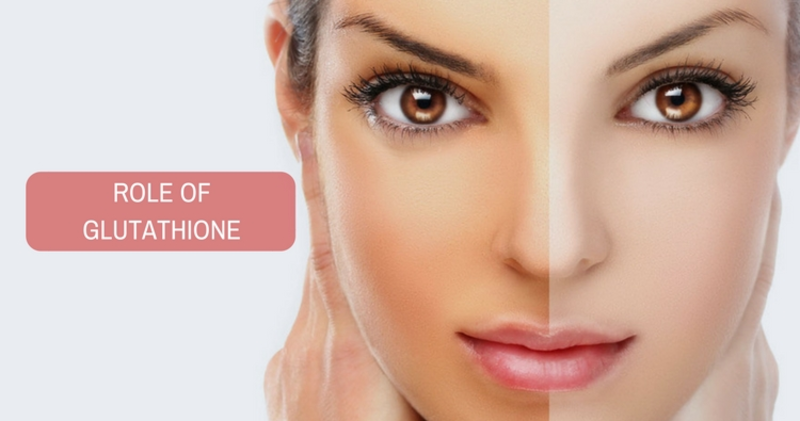
Tyrosinase is an enzyme that helps in melanin synthesis (melanin is a pigment that decides the color of skin). Glutathione inhibits this enzyme, producing less melanin, and the skin becomes light. Besides this, it also switches the production of eumelanin (a dark brown color) to pheomelanin (a yellow-red color), which leads to the lightening of the skin.
It is said to be very powerful in various applications; most notably, it has been used as an antioxidant and a bleacher of the skin.
Key points for its efficacy include the following:
- Antioxidant Action: One of the syntheses from glutathione towards scavenging free radicals, consequently limiting the extent of oxidative damage, which comprises global cellular health.
- Skin Whitening: Glutathione has also been proven to delay the production of melanin and bring higher concentrations of lighter skin coloring. However, since it may only work for some, these results depend upon the type of skin and the time duration of treatments.
- Detoxification: Glutathione does play a role in the liver detoxification process of harmful substances and thus contributes to natural body cleansing.
- Immune Support: Glutathione helps keep the immune system healthy by aiding lymphocyte function and reducing inflammation.
- Varied Results: Effectiveness varies from one individual to another due to genetics, dosage, and formulation (oral, topical, or injectable).
What Are the Sources of Glutathione?
Natural Sources of Glutathione
There are several natural glutathione sources. These include,
- Fruits: Fresh fruits such as oranges, strawberries, avocados, and many more can be a good source.
- Vegetables: Glutathione is very concentrated in leafy green vegetables such as spinach, kale, and broccoli.
- Nuts: Glutathione is also present in walnuts and other nuts.
- Dairy: A powerful source of glutathione can be obtained from whey protein that is derived from milk.
- Other Foods: Garlic, onions, tomatoes, and many other foods can add to the consumption of glutathione.
Although these are ideal sources of glutathione, they are largely produced in the human body from glutamate, glycine, and cysteine amino acids, which are easily available from protein-rich foods. Glutathione content in food varies with different preparation methods. Therefore, their intake of partially raw will help preserve their glutathione content.
What Are the Different Formulations of Glutathione?
Various formulations, topical, oral, and injectable forms, are available.
- Topical Formulation: Chemical peels containing glutathione are available for local applications like face wash cream. The use of these products shows significant improvement in skin complexion.
- Oral Formulation: Oral preparations like tablet and solution forms are also available. If taken sublingually, the tablet's absorption will be better and require lower doses.
The required dose is 20 to 40 mg (milligram) per kg body weight of 1 g (gram) to 2 g per day in two divided doses. The effects become visible within four weeks, and the significant effects may need a maximum of three months. Depending on the skin color, medium brown skin requires one to three months, and dark skin requires more than two years of treatment. After attaining the desired skin color, a maintenance dose of 500 mg per day for a longer duration is suggested.
- Injectable Formulation: The intravenous dose recommended is 600 to 1200 mg once or twice a week, but various adverse effects are reported with the intravenous route due to the possibilities of overdose toxicities or may be due to additives present in glutathione injections.
What Are the Adverse Effects of Glutathione?
The adverse effects are:
Oral Versus IV Safety:
- Oral glutathione supplements are safe for use, as per the FDA (Food and Drug Administration).
- IV (intravenous) glutathione will cause other toxic side effects.
IV Side Effects:
- Thyroid Dysfunction: It may cause hypothyroidism or hyperthyroidism because of changed hormone production.
- Kidney Dysfunction: Higher levels of glutathione can damage or impair the kidney.
- Severe Abdominal Pain: It is very severe and usually requires medical care.
Long-Term Exposure at High Dosages:
- Halo Effect on Hair Pigmentation: There is a disruption in melanin synthesis, and light hair may occur. Dermatological changes can also be seen due to alteration of the pigment mechanisms. White patches may appear on the skin.
- Higher Incidence of Peptic Ulceration: Regular high concentrations over long periods result in gastrointestinal issues, including pains and bloody stools.
Why Consult a Doctor?
Thus, people who intend to take glutathione supplements, especially infusion, should consult doctors for effective follow-up or individual guidance.
What Are the Future Advancements for Glutathione?
Future research about glutathione could entail creating delivery systems that include using nanoparticles or liposomes to increase absorption and bioavailability. Targeted therapy would deliver glutathione to targeted tissues for better results. Combination treatment with different antioxidants could enhance benefits for achieving improved skin health. Personalized medicine approaches can target supplementation based on individual genetics or skin type. There should also be other clinical trials of wider ranges to ascertain the efficacy and safety of different formulations, including S-acetyl-glutathione. In fact, the possibility of using glutathione for therapeutic purposes other than oxidative stress and further exploring the mechanisms by which it exerts its effects will also be helpful. Alternative methods of sourcing it that are not harmful to the environment should also be developed so that increasing demand for glutathione will not harm the environment.
Conclusion:
There is much scope for intense research to understand glutathione in relation to the augmentation of skin lightening. Future studies could bring out all the benefits and eventually be incorporated as targeted therapies in hyperpigmentation diseases, which would help in patients' treatment processes.