Table of Contents
Introduction:
Pregnancy is an important period in the life of a woman, which needs optimal maternal health and overall well-being for the successful development of the baby. Some sleep disorders can affect some women and can have a potential risk and result in some adverse effects during pregnancy. Maternal sleep disorders include a variety of conditions that will change the normal sleep pattern of women and will cause sleep apnea, sleep-related movement disorders, insomnia, and restless leg syndrome (RLS). The disturbance in sleep during the maternity period can affect both the developing fetus and the mother.
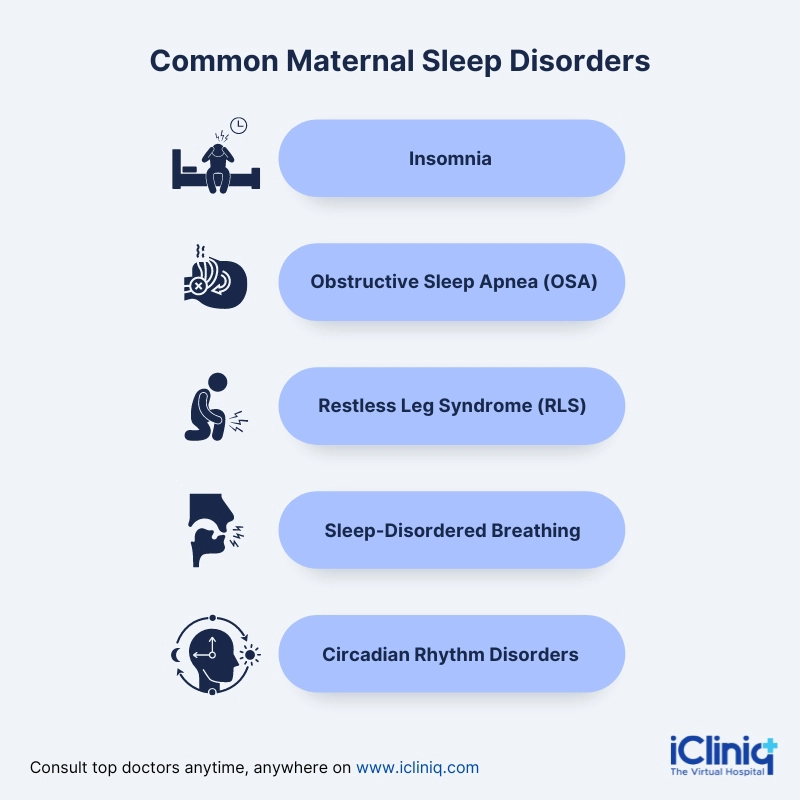
Which Are the Common Maternal Sleep Disorders?
The common maternal sleep disorder during the period of pregnancy include the following:
-
Insomnia - Insomnia is the difficulty of falling asleep. During insomnia, people can experience non-restorative sleep and will stay asleep. It can be due to anxiety, lifestyle factors, physical discomfort, and hormonal changes during the pregnancy period.
-
Obstructive Sleep Apnea (OSA) - Obstructive sleep apnea includes repeated episodes of complete or partial stop in breathing during the sleeping period, which can occur due to the relaxation in the muscles present in the throat. Hormonal changes and weight gain during the pregnancy period can result in a high risk of developing obstructive sleep apnea.
-
Restless Leg Syndrome (RLS) - Restless leg syndrome is a type of neurosensory disorder that results in an irresistible urge to change the position or move the leg due to any uncomfortable sensation. In pregnant women, it is caused mainly due to circulatory changes and hormonal changes.
-
Sleep-Related Movement Disorders - It includes periodic limb movement disorder that occurs (PLMD) due to involuntary movement during sleep. It can result in disturbed sleep and cause poor quality of sleep during the maternal period.
-
Sleep-Disordered Breathing - Apart from obstructive sleep apnea, there are other types of sleep-disordered breathing during the pregnancy period, like upper airway resistance syndrome and snoring. This type of breathing disorder can result in a break in the sleep pattern and will deliver a reduced oxygen supply to the fetus.
-
Circadian Rhythm Disorders - During the pregnancy period, the natural sleep-wake cycle will be disturbed and will result in circadian rhythm disorders. It occurs due to increased daytime sleeping and also occurs due to the difficulty in maintaining regular timing in the sleep pattern.
What Is the Impact of Maternal Sleep Disorders on Pregnancy?
Maternal sleep disorders can have an important effect on the outcome of pregnancy. Some of the potential adverse effects caused due to maternal sleep disorder include the following:
-
Gestational Hypertension - Different sleep disorders like obstructive sleep apnea can result in a higher risk of developing preeclampsia and gestational hypertension. Disruption in the breathing pattern during the sleeping period and reduced oxygen deprivation can result in the development of these conditions.
-
Gestational Diabetes - Sleep disorders like insomnia and obstructive sleep apnea can result in a high chance of getting gestational diabetes. It occurs due to disruption in the glucose metabolism and due to insulin sensitivity that occurs from the reduced quality and duration of sleep.
-
Preterm Birth - The sleep disorders that occur during pregnancy, like sleep apnea, restless leg syndrome, and insomnia, can result in a high chance of preterm birth. Disturbance during the sleep cycle can result in hormonal imbalance, high stress, and inflammation and can result in preterm labor.
-
Low Birth Weight - Maternal sleep disorders are associated with a high risk of delivering a baby with reduced or low birth weight. Decreased sleep can affect the placental function negatively, which will have an impact on the nutrient delivery to the baby and can affect the growth of the fetus resulting in reduced or low birth weight.
-
Impaired Maternal Functioning - Sleep disorders during the pregnancy period can affect the daily functioning of the women and can have an impact on the overall quality of life. Reduced sleep and breakage in the sleep pattern can result in reduced concentration, fatigue, disturbance in mood, and will have decreased cognitive performance.
How Is Maternal Sleep Disorder Diagnosed?
Maternal sleep disorder can be diagnosed by various methods. It includes a clinical assessment of the symptoms and overall health. A sleep questionnaire will be performed to assess the severity of the sleep disorder. A sleep diary helps in recording the sleeping pattern and quality and helps in noting any sleep-related information. Polysomnography includes monitoring the different physiological parameters during the sleep period, like eye movements, heart rate, oxygen level, respiratory airflow, muscle activity, brain activity, and other variables.
Home sleep apnea testing helps in assessing obstructive sleep apnea by a portable device that will measure the respiratory effort, oxygen level, and airflow during sleep. After identifying the specific sleep disorder, a consultation with a specialist will be made.
What Is the Management and Treatment of Maternal Sleep Disorder?
Maternal sleep disorders can be managed and treated by a combination of techniques like behavioral intervention, lifestyle modifications, and medical interventions. Some of the common approaches taken to manage maternal sleep disorder include the following:
-
Education about healthy sleep habits should be provided to pregnant women by a healthcare professional. It includes forming a consistent schedule for sleep, having a comfortable environment, reducing or avoiding heavy activities before sleep, and reducing caffeine intake.
-
Relaxation techniques like progressive muscle relaxation, mindful meditation, and deep breathing exercises should be included to decrease anxiety and improve sleep patterns.
-
Cognitive behavioral therapy for insomnia helps in reducing the underlying factors that cause insomnia. It includes identifying and modifying bad and negative thoughts related to sleep, which helps to improve the quality and quantity of the sleep pattern.
-
Positional therapy is recommended in pregnant women having positional obstructive sleep apnea. It includes side sleeping positions which will reduce the symptoms associated with obstructive sleep apnea.
-
Continuous positive airway pressure therapy is used in case of moderate to severe sleep apnea. It includes the usage of a mask during sleep time that will help in delivering a continuous flow of oxygen by keeping the airway open. It will help in improving the quality of sleep and will reduce the associated risk.
-
Certain medications are used as a last solution to reduce sleep disorders during the pregnancy period. It includes hypnotics and sedatives for severe insomnia.
Conclusion:
In conclusion, maternal sleep disorders can result in adverse side effects during the pregnancy period. Some of the sleep disorders that are commonly seen in the pregnancy period include obstructive sleep apnea, sleep-related movement disorders, insomnia, and restless leg syndrome. Maternal sleep disorders can result in various side effects in women, like gestational diabetes, low birth weight, gestational hypertension, preterm birth, and postpartum depression. Medical professionals should identify the sleep disorders in the pregnant woman, and early intervention should be taken in order to reduce the potential risk factors and to improve the overall well-being of both the baby and the mother.