Table of Contents
Introduction:
Cystic fibrosis is a chronic disorder caused by genetic inheritance. It is a lifelong disease causing a myriad of health-related complications in both males and females. As it is an autosomal recessive genetic disorder, the children need to have two genes inherited from each of the parents. On the other hand, if the child is a carrier of only one gene instead of two, he is a silent carrier of the disorder. Which means the child will not show any symptoms of the disorder. This disorder affects saliva, sweat, tears, mucus, and the digestive fluid of the body. These fluids help to lubricate the glands and their opening to function normally. On the contrary, cystic fibrosis causes these secretions and fluids to be abnormally thick and sticky. As a result, the glands and openings are clogged, affecting their functions. This affected function further causes health-related complications in organs such as the lungs and pancreas.
What Are the Causes of Cystic Fibrosis in Kids?
There are the following etiological factors that play a part in causing cystic fibrosis:
-
Cystic fibrosis is an autosomal recessive genetic mutation. This means to have this disorder; a child has to have two mutated genes from each parent. However, the carrier with one mutated gene is not affected by it.
What Are the Symptoms Associated With Cystic Fibrosis in Kids?
Children with cystic fibrosis show symptoms immediately after birth. For instance, a child with CF has meconium ileus. It is an intestinal blockage. Depending on the severity, the followings are the signs and symptoms associated with cystic fibrosis:
-
Lung infections.
-
Constipation or diarrhea.
-
Shortness of breath.
-
Salty-tasting skin.
-
Recurrent cough.
-
Delayed and poor growth.
-
Low weight.
-
Frequent bowel movements with greasy and smelly stools.
How to Diagnose Cystic Cystic Fibrosis in Kids?
There are the following diagnostic methods used for diagnosing cystic fibrosis:
-
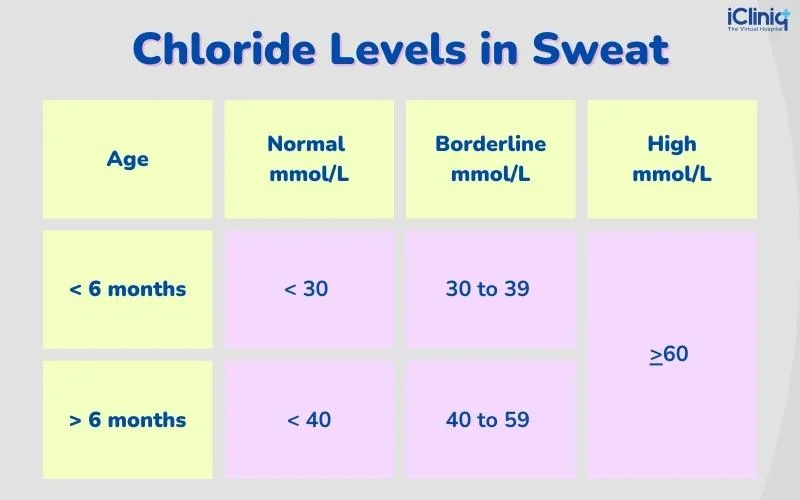
Sweat (Chloride Test): During this test, the skin is stimulated with mild electric current, and the forearm is placed in solution attached to electrodes. This causes sweat excretion from the body, which is further collected to check the chloride level.
-
Genetic Testing: This test shows if a child has inherited the genes from parents by testing scrapped cells from the cheeks or blood samples.
-
Blood Test: This evaluation method is used to check the pancreatic function of the body.
-
Chest X-rays: This evaluation method is used to check the normality of the internal organs.
-
Stool Culture: By taking this sample, the fat level is tested. If the sample has a high level of fat, it suggests abnormal digestion.
What Are the Complications Associated With Cystic Fibrosis in Kids?
Cystic fibrosis has the following health-related complications associated with it:
-
Meconium Ileus: It is the first sign of cystic fibrosis, where the child’s first stool (meconium) causes obstruction in the small intestine (ileum). This can further cause upper respiratory complications, too.
-
Osteoporosis: It is a condition where the bone is weak and brittle.
-
Vitamin Deficiencies: Children with this disorder have a deficiency of fat-soluble vitamins that are vitamins A, D, E, and K.
-
Malnourishment: Children with CF have digestive problems that further cause a deficiency of nutrients in the body.
-
Gastroesophageal Reflux: It is the reflux due to the constant flow back of the acid in the body.
-
Low Weight: Due to malnourishment and deficiencies of nutrients, the child with CF has low weight and growth.
-
Liver Disease: Due to mucus obstructing the bile duct, children with CF often have liver diseases such as multilobular cirrhosis or neonatal cholestasis.
-
Diabetes: It is a health condition where either the pancreas is unable to produce enough insulin or the body is unable to use enough insulin.
-
Joint Pain: There are many reasons behind this condition. For instance, arthritis, injury, bursitis, or muscle pain.
-
Bronchiectasis: Due to the reduced ability to fight back the bacteria in the body, bacterial colonization increases. This further causes chronic infection and tissue destruction that causes bronchiectasis.
-
Continuous muscle ache.
How to Manage Cystic Fibrosis in Kids?
Cystic fibrosis is a lifelong disorder, and children have to deal with it throughout their lives. There are the following approaches to managing cystic fibrosis in children:
Management of the Lung Obstruction and Its Complications:
- Physical Therapy of the Chest: If a child is at a certain age, lung-clearing exercises are very effective in clearing the mucous blockage. There are options such as postural drainage of the mucous, using devices such as a percussor or flutter. These devices clear the mucus blockage by causing vibration on the chest wall. Moreover, other physical therapy can be done manually or with the help of other devices.
- Medications: Medications such as using inhalers, bronchodilators, anti-inflammatory drugs, or antibiotics can be of great help too.
- Immunization: A child with this disorder is more likely to develop an infectious condition. As a result, doctors are more cautious and make sure that a child gets pneumococcal and influenza vaccination shots on time.
-
Management of Digestive Complications: There are several options available to manage the digestive health of the child, such as proper diet, using pancreatic enzymes to aid digestion and nutrition, and vitamin supplements.
-
Management of Psychological Complications: Children with this disorder need constant reminders and motivation that this can be managed. Because with age, they might have to face complications such as infertility, sexuality coping, or independence. Not only children but also parents sometimes face difficulty in managing regular care of their child too.
Conclusion
Cystic fibrosis is a lifelong disease that needs constant care throughout a child’s life. It causes not only physical complications but also psychological complications too. Even though cystic fibrosis can cause life-threatening complications, there are many options available to manage the symptoms associated with this disorder.

