Table of Contents
What Is Glaucoma?
Glaucoma is a group of diseases affecting the eye, which damages the optic nerve or the part of the eye that conveys visual information to the brain. This damage usually happens when fluid builds up in the eye and increases pressure, but sometimes it can even occur in people with normal eye pressure.
Early onset of glaucoma may cause vision loss or even blindness, and as such, it is one of the top causes of irreversible blindness in the entire world. The condition usually progresses gradually, and this is the reason why many individuals are not aware of their existence until it is too late and a lot of harm has been done.
How Glaucoma Affects Vision?
Glaucoma normally starts with loss of vision in the periphery. An individual might realise that he or she can neither view objects sideways as though they are in a tunnel. Over time, this tunnel vision becomes further reduced, and unless treated, central vision may also be involved.
Glaucoma vision loss cannot be reversed, like an ordinary vision problem, which can be fixed through glasses or surgery.
What Does Glaucoma Feel Like?
Most people with glaucoma do not feel pain or discomfort in the early stages. That is why it is often called the “silent thief of sight.” However, in some types, like angle-closure glaucoma, people may experience:
-
Severe eye pain.
-
Headaches.
-
Blurred vision.
-
Nausea or vomiting.
-
Halos around lights.
What Are the Symptoms of Glaucoma?
The symptoms depend on the type and stage of glaucoma. Common signs of glaucoma include:
-
Gradual loss of side vision.
-
Needing more light to read or do close work.
-
Blurry vision.
-
Halos or glare around lights.
-
Eye pain (in some cases).
-
Redness in the eye.
Because the early stages often have no noticeable symptoms, regular eye exams are critical.
What Causes Glaucoma?
Glaucoma usually happens because of damage to the optic nerve caused by increased pressure in one or both eyes (intraocular pressure). This pressure builds up when the fluid in the eye (aqueous humor) does not drain properly.
Other glaucoma causes include:
-
Poor blood flow to the optic nerve.
-
Genetic factors.
-
Eye injury or surgery.
-
Underlying conditions like diabetes or high blood pressure.
Types of Glaucoma
-
Primary Open-Angle Glaucoma: The most common type. It develops slowly when the drainage canals in the eye become clogged. There are usually no early warning signs, which makes regular glaucoma tests essential.
-
Angle-Closure Glaucoma: Here, the drainage angle of the eye becomes blocked suddenly, leading to a rapid rise in eye pressure. This is a medical emergency and requires immediate treatment to prevent blindness.
-
Normal-Tension Glaucoma: In this type, the optic nerve gets damaged even though the eye pressure is within normal range. Causes may include reduced blood flow to the nerve.
-
Secondary Glaucoma: This develops because of another eye problem, such as trauma, inflammation, advanced cataracts, or steroid use.
-
Congenital / Juvenile Glaucoma: Congenital/juvenile Glaucoma is a rare form seen in babies or children. It is usually due to abnormal eye development and requires early surgical treatment.
What Are the Risk Factors for Glaucoma?
Certain people are more at risk, including those who:
-
Are over 40 (risk increases with age).
-
Have a family history of glaucoma.
-
Belong to African, Asian, or Hispanic ethnicity.
-
Have high eye pressure.
-
Have thin corneas.
-
Have conditions like diabetes, high blood pressure, or migraines.
-
Have had eye injuries or long-term steroid use.
How Is Glaucoma Diagnosed?
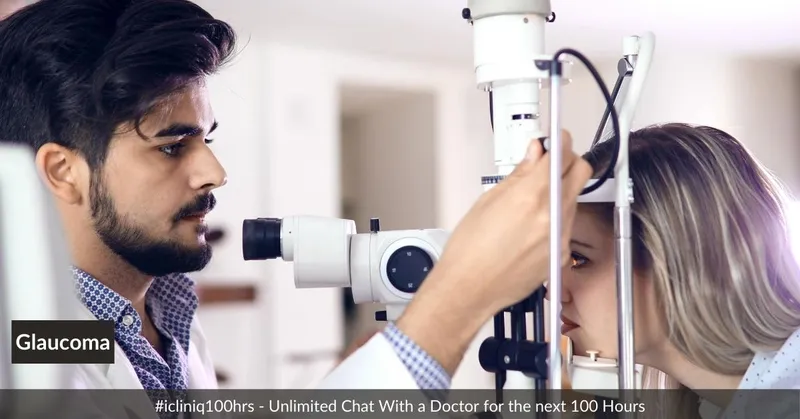
Glaucoma is detected through a comprehensive eye exam, which can include:
-
Tonometry: Test of the pressure in the eye.
-
Ophthalmoscopy: Examines the optic nerve to see whether it is damaged.
-
Perimetry (Visual Field Test): Loss of side vision.
-
Gonioscopy: Examines the drainage angle of the eye.
-
Pachymetry: Measures corneal thickness.
Since glaucoma can develop silently, regular eye check-ups are the only reliable way to catch it early.
How Is Glaucoma Treated?
Glaucoma treatment focuses on lowering eye pressure to prevent further optic nerve damage. While it cannot be cured or reversed, treatment can preserve remaining vision.
Options include:
-
Glaucoma Eye Drops: Glaucoma eye drops are the first line of treatment. They reduce eye pressure by lowering fluid production or improving drainage.
-
Oral Medications: Sometimes prescribed if drops are not enough.
-
Laser Treatment: Helps open blocked drainage channels.
-
Glaucoma Surgery: Glaucoma surgery creates a new drainage pathway for eye fluid. Surgery may be recommended if medicines or lasers do not control the condition.
Can Glaucoma be Prevented?
There is no guaranteed way to prevent glaucoma. But you can lower your risk by:
-
Having regular eye exams, especially if you are at risk.
-
Controlling diabetes and blood pressure.
-
Wearing protective eyewear to avoid eye injuries.
-
Using medications like steroids only under medical advice.
While you may find claims from various sources about “How I cured my glaucoma,” the truth is that glaucoma is not curable. However, with timely treatment, its progression can be slowed, and vision can be preserved.
Living With the Condition:
Living with glaucoma means learning to adapt while protecting your vision for the long run. Since the disease often progresses silently, regular eye check-ups and consistent use of prescribed medications or treatments are essential.
Making small lifestyle adjustments, like ensuring good lighting at home, avoiding activities that strain the eyes, and staying physically active, can help preserve independence and quality of life. Support from family, friends, and patient communities also makes a big difference, offering both encouragement and practical help. With early detection, adherence to treatment, and mindful daily habits, many people with glaucoma can continue to lead active, fulfilling lives.
Conclusion:
A glaucoma exam might appear as a series of lights, blood pressure tests, and eye charts, but actually it is a peek into your eye health. It helps in demonstrating the functionality of your optic nerve and whether nerve damage is occurring. It helps reveal how well your optic nerve is functioning and whether silent damage is taking place. Because glaucoma often develops without pain or early warning signs, understanding your test results in simple terms allows you to act before vision loss occurs. Whether the findings point to normal pressure, early optic nerve changes, or advanced damage, these tests give your ophthalmologist the clues they need to guide timely treatment.
Glaucoma testing is not a mere medical procedure; it is a guarantee to your vision- the assurance of your power to see the faces you love, the colors of nature, and the trivial things of life that bring everything into focus.
Key Takeaway/ Note From Icliniq
-
Glaucoma tests, such as tonometry, visual field testing, and optic nerve imaging, help detect increased eye pressure and early nerve damage before symptoms appear.
-
Results can uncover patterns linked to common types of glaucoma, including open-angle glaucoma and angle-closure glaucoma, making early interpretation crucial.
-
Get an eye specialist online consultation at iCliniq to get your results of the glaucoma test and get personal advice on prevention, treatment, and long-term eye care.