Table of Contents
Introduction
Often, the word 'depression' is used loosely in everyday life. Depression is mainly associated with low mood, crying, sadness, and sulking. If these symptoms are not treated immediately, they might become a prevailing issue in the long run. Also, frequently, one comes across people who require help, but a person is unsure of what to say to a friend who is currently facing a break-up or someone who has lost a loved one. How do we identify these signs and symptoms in ourselves and others? How can one contribute to lending a helping hand to them? Here is a brief introduction to depression to aid in sensitization of the public.
We have all faced ups and downs, and we agree that feeling down occasionally is a normal part of life. But, when emotions such as helplessness and hopelessness take over your life, and you find yourself struggling to cope, you may have depression. Simply speaking, depression makes it tough to function and savor life like you once did. Things you enjoyed doing in the past no longer make you happy. You constantly feel that people do not understand you and may also feel that you are behaving oddly with others. Understanding the cause of your depression and recognizing the different symptoms will enable you to seek help at the right time, which is half the battle won.
What Is Depression?
Depression is a common and disturbing mood disorder. While some people describe depression as 'living in a black hole' or having a feeling of impending doom, others feel lifeless, empty, and apathetic. It can also cause feelings of anger and restlessness. No matter your symptoms, it can become a serious issue when left untreated. Depression can make you feel helpless and hopeless, but these are symptoms of depression itself and not your permanent situation. There are plenty of things you can do by yourself to elevate your mood, overcome depression, and regain joy in life.
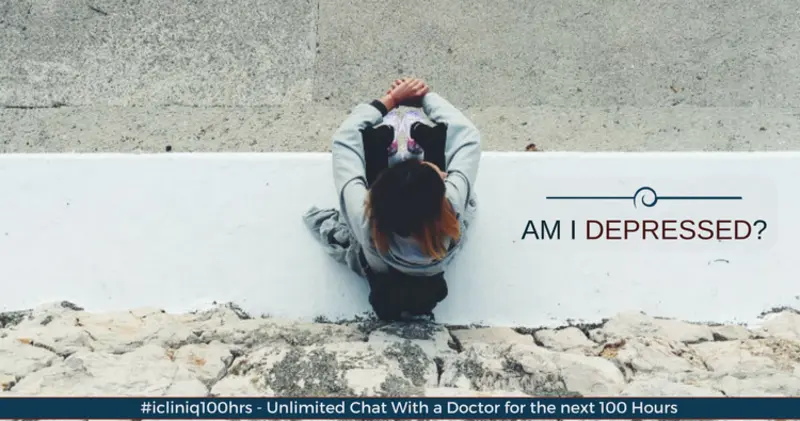
Am I Depressed?
Occasional sadness is fine. But it should be appropriate for your current situation and environment. For example, it is alright to be sad when you have suffered a failure in your personal or professional life. But, if this sadness persists for a long time, it can mean trouble.
How Do You Identify These Symptoms and Pick Them at the Earliest?
-
Irritability over trivial issues which was not a part of your personality earlier.
-
Low frustration tolerance.
-
Getting tearful over small issues.
-
Inability to take criticism.
-
Sleep difficulty, including difficulty falling asleep, intermittent awakenings, or early morning waking up.
-
Feeling sluggish and low energy levels.
-
Staying all alone most of the time.
-
Refusing to take part in social interactions.
-
Avoiding family gatherings.
-
Spending more time doing nothing.
-
Not feeling like working or feeling as if you are forced to work.
-
You prefer to sit alone and cry often.
How to Know That a Person Is Depressed?
-
Loss of Interest or Pleasure: It can manifest in disappearing previously satisfying and pleasurable actions and hobbies.
-
Chronic Fatigue and Sleep Issues: First, if someone says they are always tired or have some problems with sleeping, such as having a problem getting to sleep, waking up too early, or oversleeping.
-
Appetite and Weight Changes: Sudden alterations in diet, such as overeating or developing an illness that reduces appetite.
-
Feelings of Worthlessness or Guilt: Excessive self-criticism, too much guilt or thoughts that one burdens others.
-
Difficulty Concentrating: Sleep disturbances, inability to concentrate on work, make choices, or remember important information.
-
Unexplained Physical Symptoms: Headaches or stomach aches, for example, and other pains with no particular reason most of the time.
Understanding these signs of depression at the early stage is very crucial. If you or any of your loved ones experience these symptoms for more than two weeks, it is time to seek help. Recognizing some of these early warning signs is very important in handling major depressive disorder and seeking the right treatment.
What to Do if a Person is Diagnosed With Depression?
Once you identify something wrong, the most important step is to share your feelings with a friend or family member you trust and are comfortable with. Also, seek professional medical help at the earliest by visiting a psychiatrist. Initially, medical illnesses are ruled out, as hypothyroid status can lead to depressive features. There are various ways of treating depression, out of which often counseling greatly helps.
Structured cognitive behavior therapy is beneficial in most patients who are brought into the clinic at an early stage. In certain cases, medicines (antidepressants) can be prescribed and are found to be very effective.
Also, newer modalities of treating depression, like repetitive transcranial magnetic stimulation (rTMS) or deep brain stimulation (DBS), are in research.
How Do You Help a Depressed Person?
When a friend or a member of the family is scouting for depression symptoms, it is majorly advisable to try offering them a helping hand. First, I would need to establish open lines of communication in the form of non-judgmental, non-critical listening. Remind them to consult with their doctor, psychiatrist, or therapist if they want to speak to someone. Do not press on them; instead, listen to what they say. Make sure they understand that depression is an illness that can be an attitude and that they would not have to go through it alone. Just showing up and listening goes a long way in helping them in their healing process.
How to Cope With Depression?
In this regard, apart from consulting a professional, the other strategy is exercising personal care when depressed. Trying to exercise at least thirty minutes on any given day and incorporate at least some degree of movement in every passing day can assist in the production of endorphins and an improvement in mood. Other preventive measures that can be healthy for the brain include eating the right foods, taking adequate rest, and having a set pattern for the day. Not losing connections with friends and families is essential since social support helps heal. Writing a diary can also help to offload emotions or even engage in mindful activities or hobbies, which, in the long term, diminish stress and depressive feelings.
Conclusion
Please be aware that depression can be completely treated. So, let us unite strongly to fight this preventable illness. When given the most appropriate treatment, this condition can be managed to the best of one's ability.