- 1What Is BMI?
- 2What Is the Way to Calculate BMI?
- 3How to Know Which BMI Category You Fall Into?
- 4How to Use the BMI Calculator?
- 5What Are BMI Tables and Growth Charts Used For?
- 6What Health Risks Are Linked to a High BMI?
- 7What Health Risks Are Linked to a Low BMI?
- 8What Factors Can Affect the Accuracy of Your BMI?
- 9How Is BMI Measured in Children and Teens?
- 10What Can I Do to Keep a Healthy BMI?
- 11When to See a Healthcare Provider?
What Is BMI?
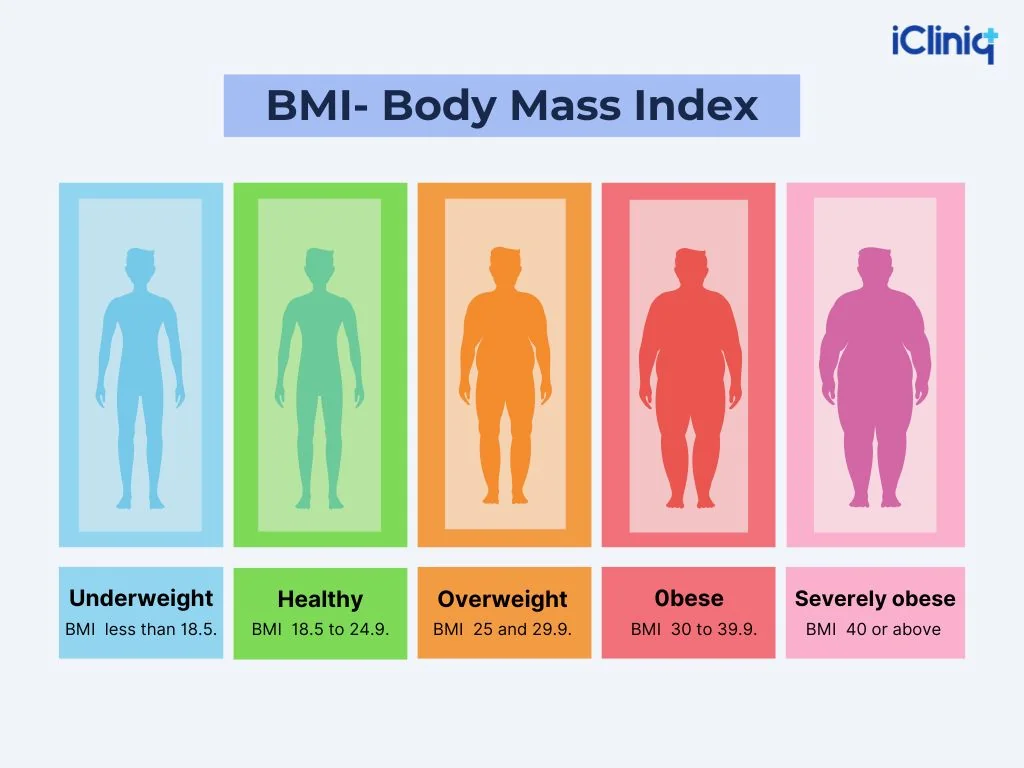
BMI, or body mass index, is a simple way to check if your weight is right for your height. It uses your height and weight to give a number that helps doctors and parents see if you’re growing in a healthy way.
What Is the Way to Calculate BMI?
1. Adult (Metric And Imperial):
-
Metric formula: BMI = weight in kilograms ÷ (height in meters × height in meters).
-
Imperial formula: BMI = (weight in pounds × 703) ÷ (height in inches × height in inches).
You can also use an adult BMI calculator online to do this fast and easily.
2. Child and Teen Percentiles:
-
For kids (ages 2-19), doctors calculate BMI the same way. But then they use a pediatric BMI percentile growth chart that matches the child’s age and gender. This shows where the child stands compared to other boys or girls the same age. This makes it easier to check if a child is growing at a healthy rate.
-
BMI is not just one number. In kids, it’s part of a growth curve. If the BMI goes up or down too much, it may show a health problem. Doctors will track this over time to keep children healthy.
How to Know Which BMI Category You Fall Into?
1. Adults
Your BMI number fits into one of the BMI categories:
-
Underweight: BMI < 18.5.
-
Healthy Weight: BMI 18.5–24.9.
-
Overweight: BMI 25–29.9.
-
Obese:
-
Class I: 30.0–34.9.
-
Class II: 35.0–39.9.
-
Class III: 40.0 or higher.
-
2. Children and Teens
Doctors use percentiles:
-
Underweight: less than the 5th percentile.
-
Healthy Weight: 5th to less than 85th.
-
Overweight: 85th to less than 95th.
-
Obese: 95th percentile or higher.
These percentiles show how a child compares with others of the same age and gender. It helps doctors talk to families about growth and eating habits.
.webp)
How to Use the BMI Calculator?
A BMI calculator is helpful because:
-
You just type in your height and weight.
-
It gives your BMI and your weight status category right away.
-
Works for both adults and kids without doing formulas.
-
It helps you check your number from home.
-
Some calculators even show where you fall on the growth chart.
What Are BMI Tables and Growth Charts Used For?
1. Adult BMI Table: These charts show weight and height so you can find your BMI number by looking where they meet. Doctors sometimes use printed BMI tables in clinics to help explain it to patients.
2. Child BMI Percentile Charts
-
Doctors use growth charts that show percentile curves. They plot your child’s BMI on a chart and see which percentile the dot is on; this tells if their weight is healthy for their age and gender.
-
Parents can ask to see these charts during checkups. It’s helpful to see how your child is growing year after year.
What Health Risks Are Linked to a High BMI?
If BMI is too high, it is tied to obesity health risks, like:
-
Heart disease.
-
High blood pressure.
-
Some cancers.
-
Sleep trouble and more.
-
Joint pain and low energy.
What Health Risks Are Linked to a Low BMI?
A very low BMI can also be harmful. It may lead to:
-
Constant tiredness.
-
Weak bones (risk of osteoporosis).
-
Poor immune function.
-
Fertility issues.
What Factors Can Affect the Accuracy of Your BMI?
BMI is simple, but not perfect. These things can affect it:
-
Muscle Mass: Strong people may have high BMI but low fat.
-
Age: Older people may store more body fat even with a healthy BMI.
-
Gender and Ethnicity: Health risks differ by group.
BMI is just a screening tool. It does not diagnose fatness or health. A doctor may do other tests, like blood pressure or cholesterol, to get the full picture.
Alternatives
To get a clearer picture, doctors also check:
-
Waist circumference (measuring belly fat).
-
Waist-to-height ratio.
-
Body composition tests (to check fat, muscle, and bone).
Doctors may also use body composition analysis to check how much of your weight is muscle, fat, water, and bones. This helps if you're very active, older, or athletic.
How Is BMI Measured in Children and Teens?
For kids, it’s important to remember:
-
Charts are made by age and sex.
-
As children grow, BMI percentiles change - so doctors track it over time.
-
A single high or low measurement is helpful, but a big jump or drop matters more.
This helps spot early signs of problems like childhood obesity or undernutrition. Healthy eating, regular activity, and enough sleep are all important parts of keeping BMI in check.
What Can I Do to Keep a Healthy BMI?
Simple Tips for a Healthy BMI:
-
Eat healthy, which includes fruits, veggies, whole grains, and lean proteins
-
Drink plenty of water.
-
Play outside, walk, dance, ride a bike.
-
Limit screen time.
-
Sleep well.
-
For adults, aim for 150 minutes of movement each week.
Being kind to yourself and not dieting too hard also helps. Choosing healthy foods and being actively engaged in activities you enjoy makes it easier to stay healthy long-term. Ask a parent, teacher, or doctor for help if you need ideas for healthy snacks or fun activities. Remember, everyone’s body is different, and the goal is to feel good and stay active.
When to See a Healthcare Provider?
Talk to a doctor if:
-
Your BMI is too high or too low.
-
Your weight is changing fast.
-
Your waist is large even if your BMI is normal.
-
You're feeling sick or tired.
-
You have other health problems, like high blood pressure or high sugar.
A doctor may also check other numbers like cholesterol, blood sugar, or do a body scan to understand more about your health. You can also use our BMI (body mass index) calculator online to do this fast and easily.
Conclusion:
BMI, or body mass index, is a quick way to see if your weight is healthy for your height. It is useful for kids and adults, but it doesn’t tell the whole health story. Other things like belly fat, muscle, and how you feel also matter. Always check with a doctor to understand your BMI better and get personal health advice. Staying active, eating well, and sleeping enough are simple ways to feel your best.
Key Takeaway:
-
Your BMI is a simple number that is calculated from your height and weight. It helps your doctor understand if your body is in a healthy range, just for you.
-
For kids, a healthy BMI is usually between the 5th and 85th percentile for their age and gender.
-
For adults, a BMI between 18.5 and 24.9 is considered healthy.
-
But BMI doesn’t show if you have more muscle or fat, or how active you are. So, it’s just one part of the full health picture.
If you're wondering about your weight or how you're growing, that's okay! At icliniq.com, you can book an endocrinologist consultation online. Our friendly doctors look at more than just numbers; they help you feel good, stay healthy, and grow up strong and happy!