
Introduction
Pancreatic cancer is a disease that is difficult to detect and treat early. It is often known as the “silent killer,” because it quietly grows without showing symptoms until it becomes serious. This article explores everything you need to know for its early detection and quicker treatment. Ready to learn more? Read on.
What Is Pancreatic Cancer?
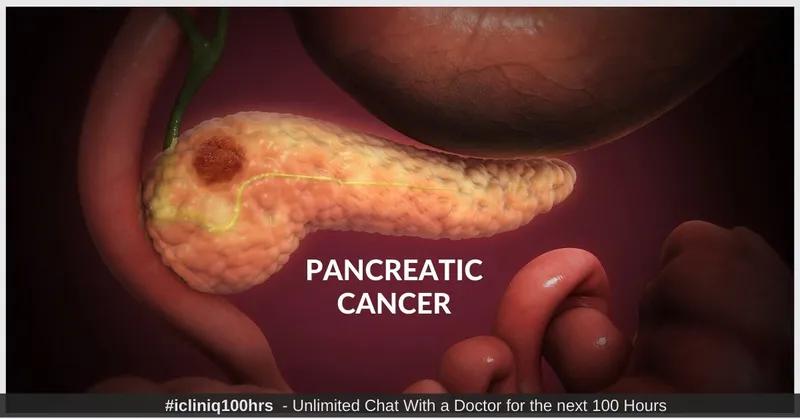
Pancreatic cancer occurs when some cells of the pancreas start growing out of control. The pancreas is a small, fish-shaped organ that sits behind the stomach. It helps the body in two main ways: first, it makes juices that break down food, and second, it creates hormones that help control blood sugar levels. Pancreatic cancer is a serious condition where these cells form lumps called tumors that can stop the body from working properly.
How Does Pancreatic Cancer Develop?
Cancer starts when changes happen inside a cell’s instructions, known as DNA. These changes make the cell grow too fast and ignore the signals that tell it to stop. These fast-growing cells can form a tumor. Over time, the tumor may spread to other parts of the body if it is not treated.
What Are the Types of Pancreatic Cancer?
There are several types of pancreatic cancer. The most common is pancreatic adenocarcinoma (a type of cancer that begins in the cellular lining of the ducts of the pancreas, where digestive juices flow). Another type is called neuroendocrine tumors (a rare cancer that starts from the cells that produce hormones in the pancreas). These types behave differently and may require different treatments.
What Are the Symptoms of Pancreatic Cancer?
Pancreatic cancer symptoms usually appear only when the disease has reached an advanced stage. In the beginning, there may be no symptoms at all. But as the cancer grows, several warning signs may show up. What should one look out for? Below are the symptoms of pancreatic cancer:
-
Pain in the belly or back.
-
Yellowing of the skin and eyes, called jaundice (a sign that the liver is not working properly).
-
Dark-colored urine or light-colored stool.
-
Itchy skin.
-
Unexplained tiredness or sudden weight loss.
-
Feeling full quickly after eating small meals
-
New or hard-to-manage diabetes (a condition where the body struggles with blood sugar control).
-
Nausea, vomiting, or bloating.
Sometimes these signs are small or easy to miss. That is why it is important to notice when these symptoms do not go away or start getting worse.
What Causes Pancreatic Cancer?
Doctors are still not sure exactly what causes pancreatic cancer. But they have found several things, known as risk factors, that make it more likely. Avoiding such risk factors may help for pancreatic cancer.
Risk factors of pancreatic cancer:
-
Smoking is the biggest risk factor that can be prevented.
-
Being overweight or obese.
-
Diabetes, especially if it comes on suddenly.
-
Chronic pancreatitis (a long-term condition where the pancreas is swollen or inflamed).
-
Family history of pancreatic cancer or inherited gene changes like breast cancer genes (BRCA), BRCA1, BRCA2, Lynch syndrome, or MEN1 (multiple endocrine neoplasia). These are genetic disorders that increase cancer risk.
-
Most people who get pancreatic cancer are over age 65.
-
Heavy alcohol use.
-
Exposure to certain chemicals, especially at work.
Would it not be helpful if people knew these risks earlier? Understanding them may help lower the chance of getting pancreatic cancer.
How Is Pancreatic Cancer Diagnosed?
Doctors use several tools and tests to find out if someone has pancreatic cancer. These tests can show where the tumor is, how big it is, and whether it has spread.
-
Imaging tests: These include CT (computed tomography) scans, MRI (magnetic resonance imaging), ultrasound, and endoscopic ultrasound (EUS, a test that uses a small camera on a thin tube inserted through the mouth to look closely at the pancreas). Doctors may also take a biopsy by taking a small sample of the tissue to check for cancer cells.
-
Genetic testing: This looks for inherited gene changes that may cause cancer. Some genetic mutations, like BRCA1 or BRCA2 (genes that usually protect against cancer), may help doctors decide on the best treatment and warn family members who may be at risk.
-
Staging laparoscopy: This is a small surgery where a doctor puts a camera through a small cut in the belly to look at the organs. This can help doctors detect how far the spread of cancer is and plan the best treatment.
-
Blood tests: Doctors may check for CA 19-9 (a protein that is higher in people with pancreatic cancer). This blood test may help track the cancer or see if treatment is working.
What Are the Pancreatic Cancer Stages?
Doctors divide pancreatic cancer into stages to show how far it has spread. Knowing the stage helps guide treatment.
-
Stage 0 - Abnormal cells are present in the cell lining of the pancreas.
-
Stage 1 - Cancer is only in the pancreas.
-
Stage 2 - The cancer has spread to the nearby tissue of organs or lymph nodes, but it is near the pancreas.
-
Stage 3 - The cancer is found in the major blood vessels present besides the pancreas. Also, it has spread to the lymph nodes nearby.
-
Stage 4 – The cancer has spread to the distant parts of the body.
The higher the stage, the more advanced the disease is, and the harder it becomes to treat. That is why catching it early is so important.
What Is the Treatment for Pancreatic Cancer?
The treatment for pancreatic cancer depends on how advanced it is and how healthy the person is overall. There is not just one way to treat it. Often, doctors use more than one method together.
1. Surgery: If the cancer is caught early, surgery may be used to remove the tumor. The most common type is the Whipple procedure (a complex surgical operation to remove the pancreatic part, small intestine, and other nearby organs). In other cases, doctors may remove the tail of the pancreas or sometimes the entire pancreas if needed.
2. Chemotherapy and radiation:
-
Chemotherapy (medicine that kills cancer cells) may be used before or after surgery, or by itself if surgery is not possible.
-
Radiation therapy uses high-energy rays in order to destroy the cancer cells. It is often combined with chemotherapy to make it more effective.
3. Targeted therapy and immunotherapy: Some advanced pancreatic cancer treatments focus on targeted therapy (medicine that attacks only cancer cells with specific gene changes) or immunotherapy (treatments that help the immune system fight cancer better). These treatments do not work for everyone but can be very helpful for certain types of pancreatic cancer.
4. Pain management: Pancreatic cancer can cause pain. Doctors may provide strong medicines or other options to keep pain under control and improve comfort.
Did you know a new test called PAC-MANN (protease activity-based assay using a magnetic nanosensor) may help find pancreatic cancer early? It uses just a small amount of blood to look for signs of pancreatic cancer, even before symptoms appear. This test is still new, but it brings hope for the future.
Conclusion:
Pancreatic cancer is a serious illness that often stays quiet until it is in a later stage. By learning its symptoms, causes, and risk factors, people can take action sooner. Treatments like surgery, medicine, and new methods like gene testing are giving more people a fighting chance.
iCliniq Takeaways:
The treatment for pancreatic cancer depends on its stage and may include surgery, chemotherapy, and new therapies. Early detection is the key, and new tools like PAC-MANN offer exciting hope for survival. If you are also dealing with this condition, consult our expert doctors at iCliniq for prompt and effective management. Knowing the risks of it may help prevent pancreatic cancer or catch it early, so book your appointment, chat, or have a video consultation with our expert doctors.

