Table of Contents
Introduction:
Ever wondered why some people bruise easily or bleed longer from small cuts? It might be because of Hemophilia B, a rare condition caused by the lack of factor IX, a protein that helps blood clot. It is predominantly a disease in males, though females can be carriers. The symptoms are easy bruising, joint pain, and prolonged bleeding. Good news? Modern treatments like factor IX therapy and gene therapy help people live active, healthy lives. Want to know more about its causes, symptoms, and treatments? Let us explore!
What Is Hemophilia B?
Hemophilia B, famously known as Christmas disease. It's not about Santa's elves making it, though! The name actually comes from a man named Stephen Christmas, who was one of the first patients diagnosed with it back in the 1950s. So, even in the world of medical terms, there's a bit of holiday spirit!
Hemophilia B is a genetic disorder that makes it hard for blood to clot. It happens because the body lacks enough factor IX, a protein that helps stop bleeding. Without it, even small cuts or bruises can bleed for a long time. Sometimes, bleeding happens inside the body, which can be dangerous. This condition is passed down through the X chromosome. It mostly affects males, while females usually carry the gene without having symptoms.
Definition and Overview
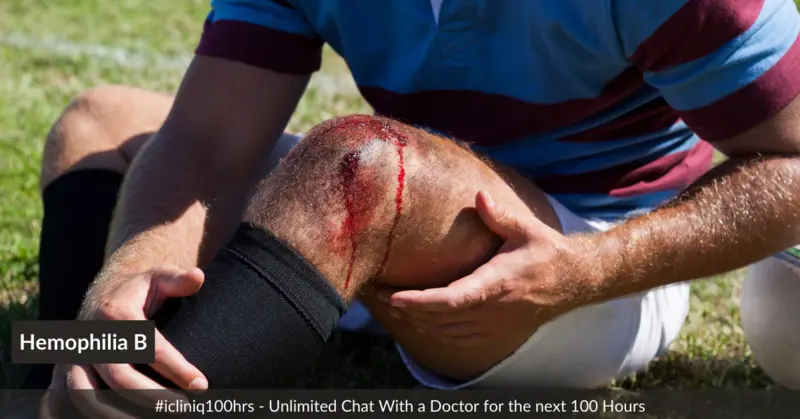
Imagine playing your favorite sport or just going about your day when—bam!—you bump into a table. For most people, a small bruise or cut heals quickly. But for someone with hemophilia B, also called Christmas disease, even tiny injuries can cause bleeding that will not stop. This happens because their blood is missing factor IX, a protein needed for clotting. Without it, even a simple bump can turn into a serious medical problem. While modern medicine offers treatments to help manage the condition, every day comes with a risk—making even ordinary moments feel like walking a tightrope without a safety net.
How Does Hemophilia B Differ From Hemophilia A?
Hemophilia A vs. Hemophilia B: Key Differences
Both Hemophilia A and B are genetic bleeding disorders, but they affect different clotting factors:
Hemophilia A - Caused by too little factor VIII.
Hemophilia B - Caused by too little factor IX.
Severity
Hemophilia A is more common, affecting 1 in 5,000 males. Hemophilia A is often more severe, but both types can cause serious bleeding.
Hemophilia B is rarer, occurring in 1 in 25,000 males.
Symptoms of Hemophilia B
To know this disease better, we must have an idea of the symptoms. The symptoms of hemophilia B are:
In Children:
Prolonged Bleeding From Small Cuts: Even tiny wounds may take a long time to stop bleeding.
Frequent Nosebleeds: Nosebleeds may happen often, even without injury.
Unexplained Bruises: Large bruises can form from small bumps or falls.
Swollen and Painful Joints: Bleeding inside the joints can cause stiffness and discomfort.
Bleeding After Shots: Vaccination sites may bleed longer than expected.
In Adults:
-
Joint Pain and Stiffness: Repeated joint bleeding over time can cause long-term pain and movement issues.
-
Excessive Bleeding After Dental Work or Surgery: Even minor procedures may lead to heavy bleeding.
-
Frequent Nosebleeds and Easy Bruising: Just like in children, these symptoms are common.
-
Blood in Urine or Stool: Internal bleeding can show up as red or dark-colored urine or stool.
Mild, Moderate, and Severe Cases
The severity of hemophilia B is determined by the level of factor IX activity in the blood:
-
Mild (5 to 40 % of Normal Factor IX): Bleeding usually happens only after major injuries or surgery.
-
Moderate (1 to 5 % of Normal Factor IX): Bleeding is more frequent and can occur after small injuries.
-
Severe (Less than 1 % of Normal Factor IX): Bleeding happens often, even without an injury.
Risks of Internal Bleeding and Joint Damage
Do you have joint pain? This pain is different—it is not from overuse or an injury. Recurrent bleeding in the joints causes gradual deterioration in hemophilia B, resulting in pain and long-term damage. Internal bleeding is more serious because it can be fatal in a matter of seconds, particularly in the brain. Prompt medical attention is essential to avoid major consequences.
Causes and Risk Factors
Genetic Inheritance of Hemophilia B
Hemophilia B is passed down through families in an X-linked recessive pattern. Since males inherit only one X chromosome, they are more likely to have the disorder. Females who have two X chromosomes are usually carriers but may sometimes have mild symptoms.
Spontaneous Mutation and Acquired Cases
Not all cases come from family history. About one-third of hemophilia B cases happen due to a random genetic mutation. In very rare cases, someone can develop an acquired form when the immune system mistakenly attacks clotting factors. This can be linked to autoimmune diseases or cancer.
Who Is at Risk?
People with a family history of hemophilia B are at the highest risk. Since it is inherited through the X chromosome, a mother who carries the gene has a 50 % chance of passing it to her son, who may develop the condition. Daughters have a 50 % chance of becoming carriers.
How Is Hemophilia B Diagnosed?
Hemophilia B is diagnosed by:
-
Blood Tests and Clotting Factor Levels: Doctors diagnose hemophilia B with blood tests. These tests check how long it takes for blood to clot and measure factor IX levels. If clotting takes too long and factor IX is low, hemophilia B is confirmed. Tests include partial thromboplastin time (PTT), prothrombin time (PT), and serum factor IX activity.
-
Genetic Testing for Families: Genetic testing can find the exact mutation causing Hemophilia B. This helps families plan for the future and check if female relatives are carriers of the condition.
What Are the Treatment Options for Hemophilia B?
Treatment options are:
Factor IX Replacement Therapy: The main treatment is intravenous (IV) infusions of factor IX, either as needed or regularly, to prevent bleeding. The main treatment is factor IX replacement therapy, which helps blood clot properly. The amount you need depends on:
-
How Severe the Bleeding Is: Minor bleeds need less treatment, while severe ones need more.
-
Where the Bleeding Happens: Some areas, like the brain or joints, need urgent care.
-
Your Weight and Height: Larger individuals may need higher doses.
Gene Therapy: Exciting news! Scientists are working on gene therapy for hemophilia B, which could be a long-term cure for the condition. Early trials show that it helps the body make more factor IX, reducing bleeding episodes.
Other Important Steps:
-
Get Vaccinated for Hepatitis B: Since some treatments involve blood products, the risk of infection is higher.
-
Watch for Inhibitors: Some people develop antibodies (hemophilia b inhibitors) that block factor IX. In this case, doctors use a lab-made clotting factor (VIIa) to help blood clot.
With proper care, the life expectancy of hemophilia B is near normal. Modern treatments allow people with hemophilia B to stay healthy, live active lives, and manage their condition.
Complications and Long-Term Care
-
Joint Damage From Internal Bleeding: Repeated bleeding in the joints can lead to severe joint pain, which is also known as arthritis and permanent damage. Getting quick treatment is key to preventing serious problems.
-
Immune System Response to Treatment: Some people develop antibodies called inhibitors. These block factor IX treatments make therapy less effective and harder to manage.
-
Blood Clots From Hemophilia B Treatment: In rare cases, factor IX therapy can cause blood clots, especially in people with heart problems. This happens when the blood clots too much, blocking blood flow. Doctors watch patients closely and adjust treatment to keep bleeding under control without causing clots.
Living With Hemophilia B: A Guide for Patients and Caregivers
People with hemophilia B should avoid high-risk activities to prevent injuries. Good dental care is important to avoid gum bleeding. It is also crucial to watch for signs of internal bleeding and visit the doctor regularly to manage the condition well.
-
Learning to Care: People with Hemophilia B can learn to give factor IX at home when bleeding starts. This helps stop bleeding quickly. Those with severe hemophilia may need regular treatments to prevent sudden bleeding.
-
Severe Hemophilia: If you have severe hemophilia, you might also need factor IX before surgery or dental work to avoid heavy bleeding.
-
Wear a Medical ID: In an emergency, this helps doctors act fast and provide the right care.
-
Visit Your Doctor Regularly: Regular doctor visits help manage symptoms and update treatments as needed.
-
Find Support: You can be part of any support group that provides direction, motivation, and emotional support.
With the right treatment and care, people with hemophilia B can live long, full lives with a life expectancy similar to others.
Conclusion:
Hemophilia B can be managed with proper care. By taking preventative measures and heeding medical advice, you can continue to be active and healthy. With the right treatment and care, people with hemophilia B can live long, full lives with a life expectancy similar to others.
Note From iCliniq:
At iCliniq, we strive to deliver clear and reliable health information. It is easy to manage hemophilia B if diagnosed early with proper care and the right choice of lifestyle. If you have questions or advice, talk to a doctor, and they will guide you properly. Stay informed, stay safe, and take control of your health! Contact us at icliniq.com.

