Table of Contents
- 1What Are Lymphocytes?
- 2What Is Lymphocytopenia?
- 3What Causes Low Lymphocyte Count?
- 4What Are the Risk Factors and Causes of Acquired Lymphocytopenia?
- 5What Signs and Symptoms Does Lymphocytopenia Cause?
- 6How Can Acquired Lymphocytopenia Be Diagnosed?
- 7How Can Acquired Lymphocytopenia Be Treated?
- 8What Precautions Should People With Lymphocytopenia Take?
What Are Lymphocytes?
The human blood consists of two main components: red blood cells (RBCs) and white blood cells (WBCs). These WBCs are a part of the immune system and fight infections to protect the body. WBCs include several cells, and each cell has a unique immune function.
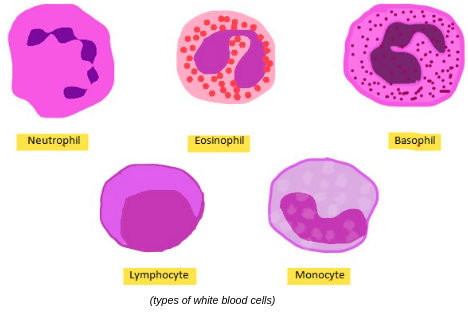
The types of white blood cells include:
-
Neutrophils - First responders to bacterial or fungal infections.
-
Eosinophils - Plays a key role in parasitic infections and allergic reactions.
-
Basophil - Plays a key role in allergies and antigen response.
-
Monocyte - Phagocytosis and antigen presentation.
-
Lymphocytes - Lymphocytes are one of the WBCs that are produced in the bone marrow and fight against infections. Apart from the circulating blood, it is also found in lymph (excess fluid from the cells). Approximately 20 percent to 40 percent of the WBCs are composed of lymphocytes.
Normal Lymphocyte Count:
-
For Adults - It counts between 1,000 and 4,800 lymphocytes per microliter of blood.
-
For Children - It counts between 3,000 and 9,500 lymphocytes per microliter of blood.
Types of Lymphocytes:
There are three types of lymphocytes:
-
B lymphocytes (75 percent).
-
T lymphocytes (20 percent).
-
NK (natural killer) cells (5 percent).
What Is Lymphocytopenia?
Lymphocytopenia or lymphopenia is a condition in which the lymphocyte count is below the normal range. It can be any type of lymphocyte. It is common to have a low T lymphocyte count. An adult is said to have lymphocytopenia if the lymphocyte count is below 1000 per microliter of blood, and a child is supposed to have lymphocytopenia if the lymphocyte count is below 3000 per microliter of blood.
Lymphocytopenia does not cause aggressive symptoms and can increase the risk of acquiring infections due to decreased immune function.
What Causes Low Lymphocyte Count?
Low lymphocyte count is usually caused due to two causes:
1. Inherited - If one has a low lymphocyte count since birth, it is inherited lymphocytopenia. It can be due to,
-
DiGeorge anomaly.
-
Severe combined immunodeficiency syndrome.
2. Acquired - If a person has suddenly developed lymphocytopenia at some age due to certain conditions (discussed below), it is acquired lymphocytopenia.
What Are the Risk Factors and Causes of Acquired Lymphocytopenia?
The following conditions are known to cause low lymphocyte count;
-
Infectious Diseases -Tuberculosis, typhoid fever, AIDS (acquired immunodeficiency syndrome), viral hepatitis.
-
Autoimmune Disorders - Lupus, rheumatoid arthritis, myasthenia gravis.
-
Steroid therapy.
-
Blood Cancer - Hodgkin’s lymphoma.
-
Blood Diseases - Aplastic anemia.
-
Radiation and chemotherapy for cancer.
-
Protein-energy undernutrition.
-
COVID-19.
-
Long-term Psoralen and ultraviolet A irradiation for psoriasis.
-
Fasting.
-
Malnutrition.
-
Physical stress.
What Signs and Symptoms Does Lymphocytopenia Cause?
Whether acquired or inherited, lymphocytopenia does not cause any significant symptoms. Usually, people get their condition diagnosed incidentally while getting blood tests for other health concerns.
The symptoms of conditions causing lymphocytopenia can be present. Recurrent and persistent infections can be suspected to be due to lymphocytopenia.
Acquired lymphocytopenia can itself be a risk factor for developing cancers and autoimmune disorders.
But when symptoms develop, they are atypical, which include,
-
Fever.
-
Infections that do not get better.
-
Skin rash.
-
Swollen lymph nodes.
-
Runny nose.
-
Cough.
-
Swollen joints.
What Populations Are Susceptible to Lymphocytopenia?
Individuals who have recently experienced an infection or undergone surgery, those with underlying conditions predisposing them to lymphocytopenia, and individuals taking medications that can impact lymphocyte levels are all susceptible. Older adults and individuals experiencing malnutrition are especially vulnerable to this condition.
How Can Acquired Lymphocytopenia Be Diagnosed?
Diagnosis of acquired lymphocytopenia is by,
-
Medical History - The physician will take a detailed medical history to know if the person has or has had any infectious or autoimmune conditions that could be causing lymphocytopenia.
-
Physical Examination - In a physical examination, the doctor might check for any lymph node enlargement, spleen enlargement, fever, etc., to look for signs of infection.
Upon suspicion, the physician might order the following tests to establish a diagnosis;
-
Complete Blood Count With Differential - This blood test will specifically reveal the white blood cell count and the lymphocyte count.
-
Flow Cytometry - This blood test will help assess the number of different types of lymphocytes’ count (B and T lymphocytes and natural killer cells). Hence, this test is more specific.
-
Immunoglobulin tests.
If the doctor suspects the person has some infection or disease, then investigative tests specific to the disease will be ordered.
How Can Acquired Lymphocytopenia Be Treated?
-
Treating the cause of acquired lymphocytopenia will bring the lymphocyte counts to a healthy range.
-
Mild acquired lymphocytopenia without any obvious symptoms does not require treatment. They improve on their own. However, if the lymphocytopenia makes the person prone to repeated and persistent infections, then the person needs treatment. If lymphocytopenia is caused by specific infectious diseases like AIDS, tuberculosis, etc., treatment to treat that illness will improve the lymphocyte count.
-
Antimicrobials will be given for lymphocytopenia due to microbial infections.
-
Children with lymphocytopenia and adults with deficient immunoglobulin G are treated with immune globulin (IG) injections.
What Precautions Should People With Lymphocytopenia Take?
People with lymphocytopenia should make sure they do not contract any infection and should take all precautionary measures at any cost to prevent acquiring an infection. The following measures need to be followed strictly every time;
-
Maintain good oral hygiene. Poor oral hygiene can increase the susceptibility to oral infections (via decay, plaque, and tartar), which can enter the systemic circulation to cause infections.
-
Follow hand sanitation. Wash hands with soap and water, or hand washes before and after using the restroom, having food, cooking, and soon after they reach home from outside. The person can also use hand sanitizer if there is no water facility.
-
Do not eat raw or undercooked foods. Cook the food (especially meat) thoroughly, and wash the vegetables and fruits before use.
-
Wear masks whenever outside or when amidst the crowd.
-
Stay away from people with cold, flu, or other infectious conditions.
-
Get the seasonal flu shots and pneumonia vaccine.
Is It Possible for Someone to Avoid Developing Lymphocytopenia?
If lymphocytopenia stems from an inherited condition, prevention is not feasible, but management through prescribed medication is essential. Early detection plays a crucial role in controlling lymphocytopenia, and in the United States., newborns undergo screenings for conditions associated with it, facilitating timely diagnosis to avert potential complications. Consulting a doctor promptly in case of recurring or prolonged infections is crucial for timely intervention.
Conclusion:
Lymphocytes are vital cells in immune function. Low lymphocyte levels can increase the susceptibility to infections, weaken the body, and even prove life-threatening. Identifying it early and receiving treatment will control lymphocytopenia and prevent its progression before something serious develops. If the person already has one, take immense care to prevent infections at any cost.

